

Bike Friendly Cities: Top Global Cities for Cyclists
 BagsAway Team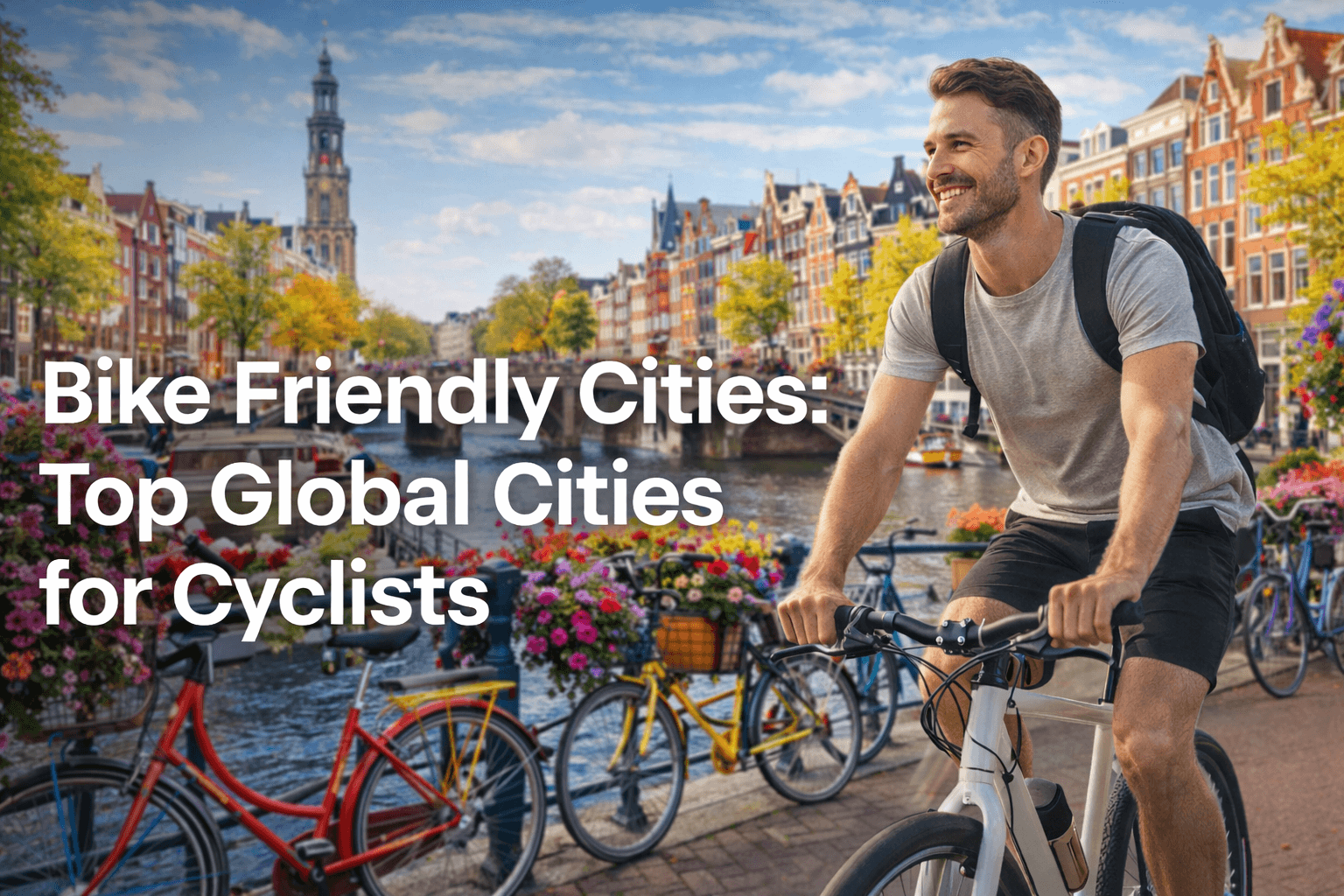
1. The Hague, Netherlands
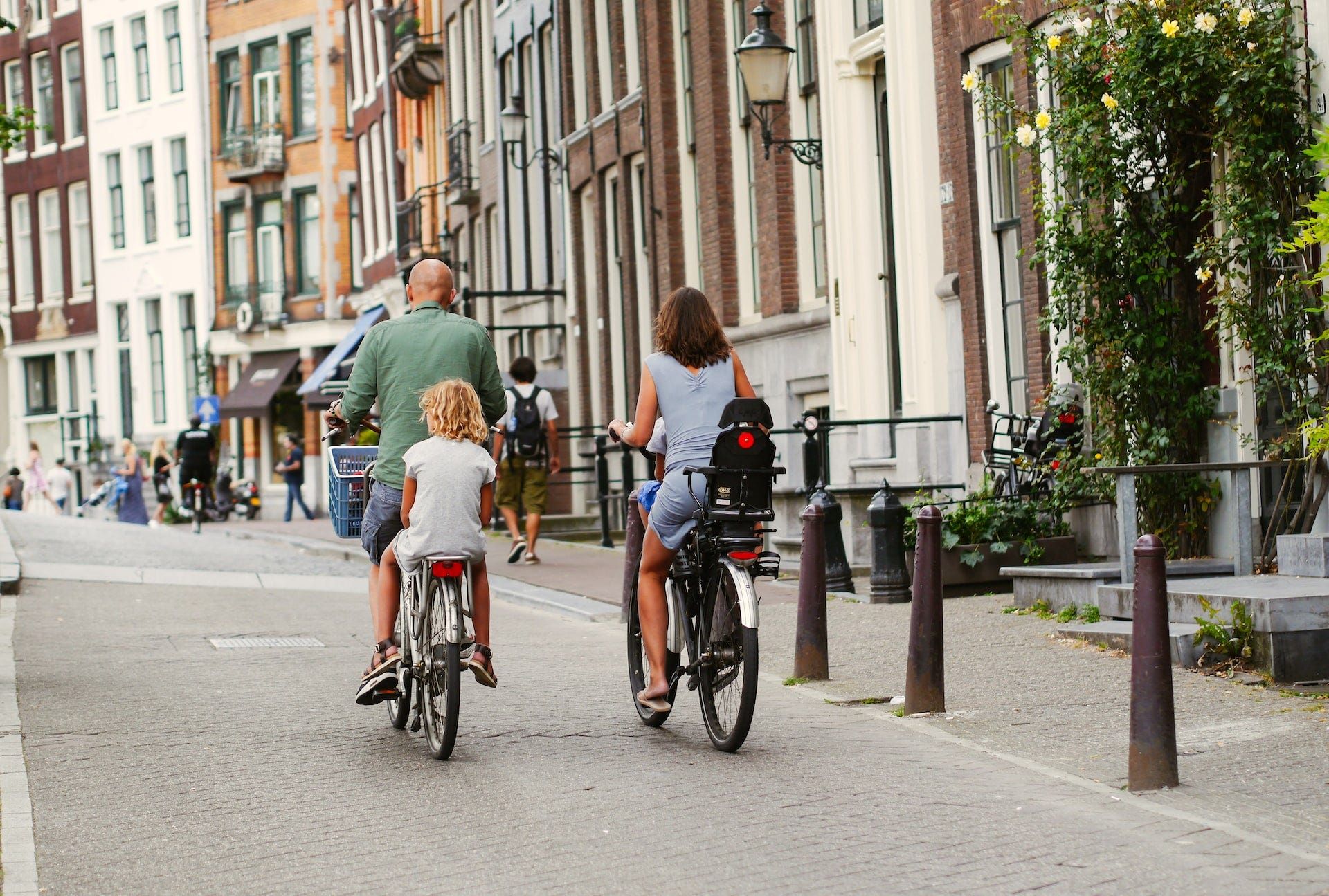
The Hague exemplifies how a city can fully integrate cycling into its urban identity. Beyond its extensive network of protected bike lanes, the city also provides green wave traffic systems, ensuring that cyclists enjoy smooth, uninterrupted travel during rush hours. Bike parking facilities, especially near transit hubs like train stations are abundant and secure, addressing the practical needs of daily commuters.
For leisure, routes like those connecting the city to the Scheveningen Beach or the nearby Meijendel nature reserve offer picturesque rides, blending urban convenience with scenic beauty. On top of that, The Hague is a leader in cycling inclusivity, implementing accessible bike-share programs for residents with disabilities and promoting cycling education in schools.
2. Brussels, Belgium
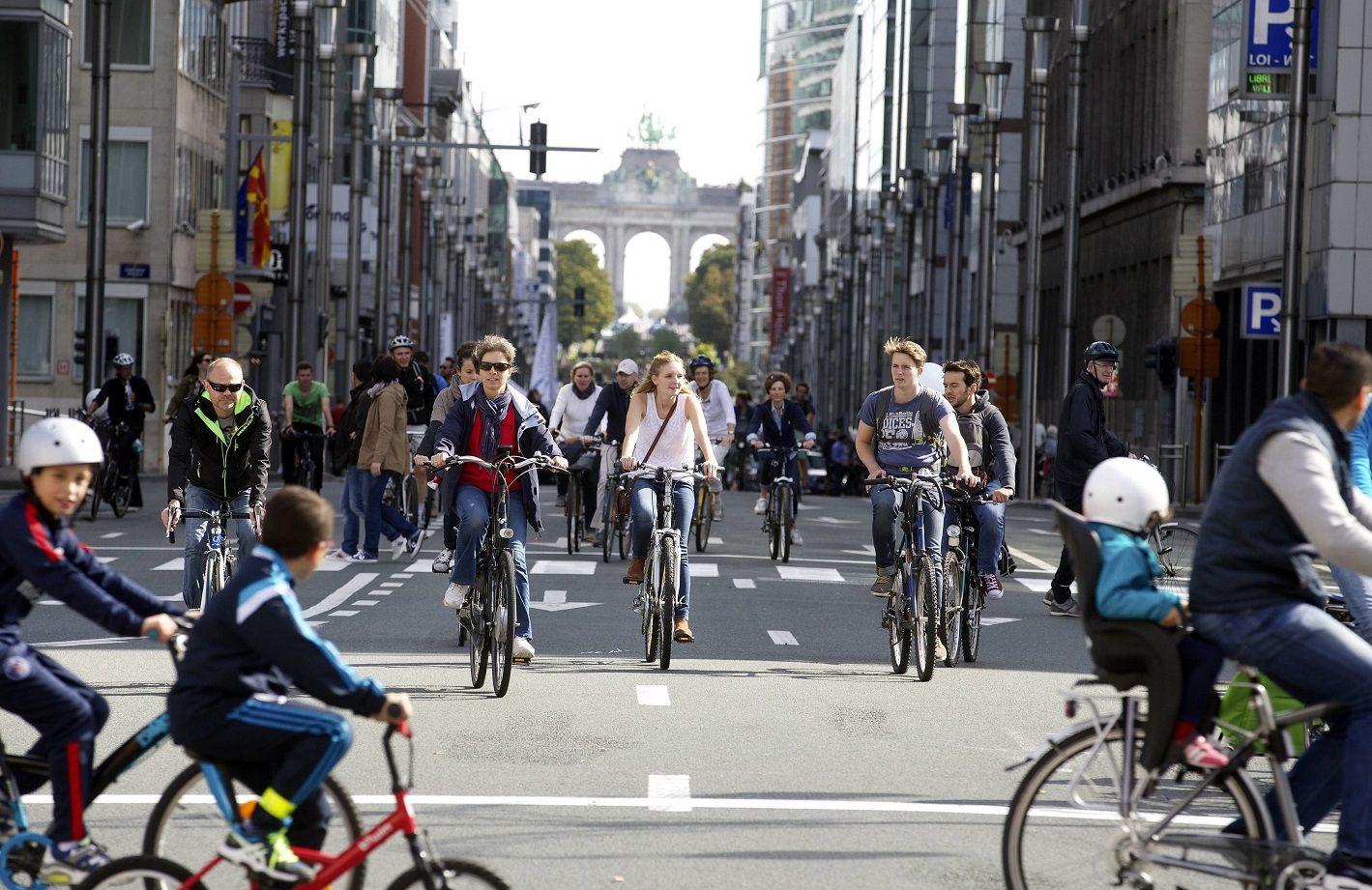
Brussels has made bold strides in redesigning its urban core to favor cyclists. Besides projects like Boulevard Anspach, Brussels has introduced "cycling streets," where cars are considered guests and must adapt to cyclists’ speed. These initiatives support a safer, more welcoming environment for riders. The city also encourages last-mile solutions by linking cycling infrastructure to major public transit points, allowing smooth multimodal travel.
The Villo! bike-sharing system has undergone upgrades, introducing electric bikes to tackle Brussels' hilly terrain and making it more accessible for people with varying fitness levels. Educational campaigns, particularly around helmet use and safe cycling practices, further enhance the city’s commitment to sustainability and safety.
3. Paris, France
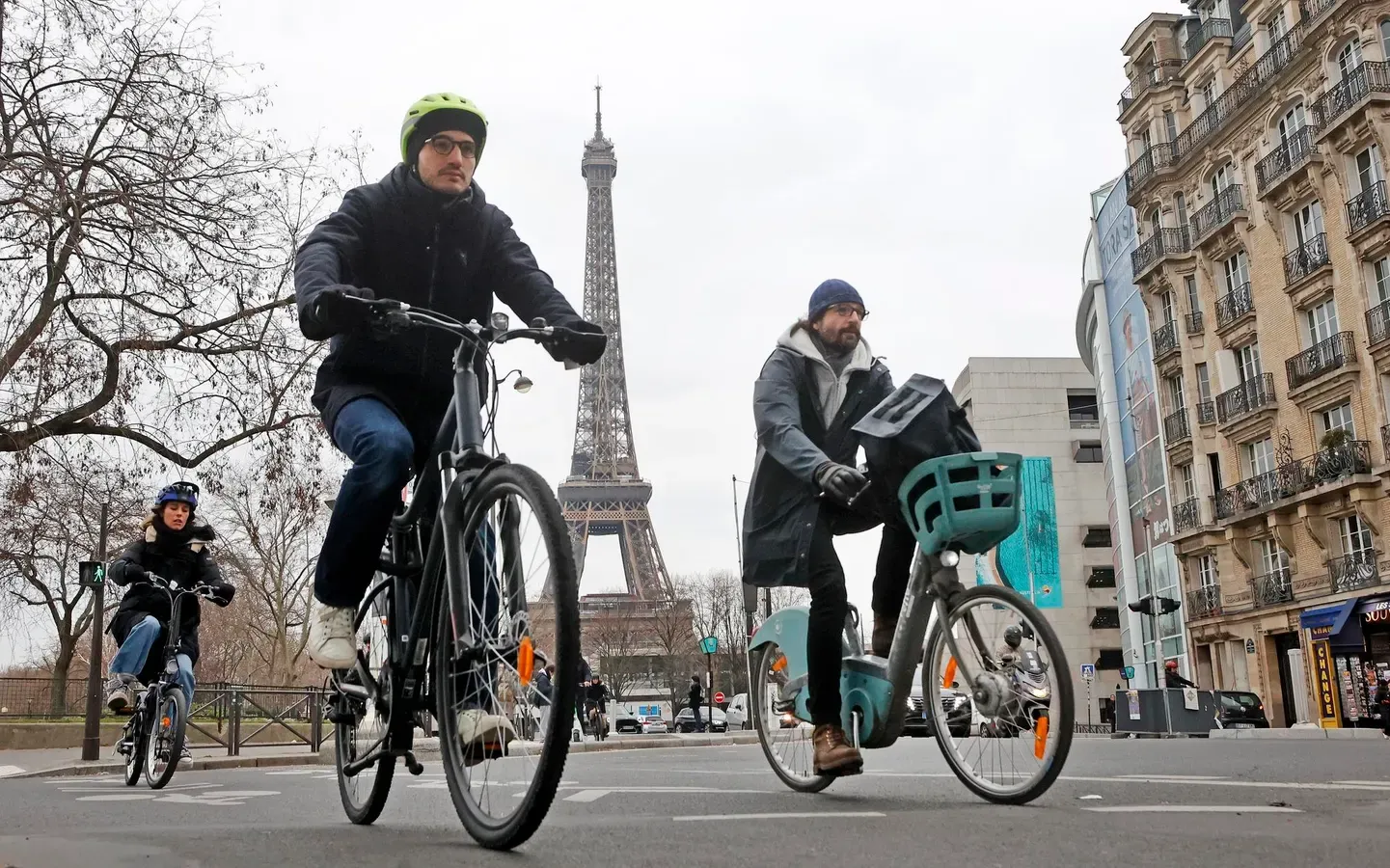
Paris is a global leader in reimagining its relationship with cars, with efforts like reducing parking spaces in favor of bike lanes and creating dedicated cycling infrastructure that has now become permanent. The city has set ambitious goals under its Plan, which includes doubling the size of the bike lane network and making every street bike-friendly.
Paris also emphasizes cycling tourism, with routes that guide riders through iconic landmarks like the Eiffel Tower, the Louvre, and Notre-Dame Cathedral. Additionally, Paris is making strides in equity, offering subsidies for e-bike purchases and prioritizing bike access in historically underserved neighborhoods. Its focus on real-time cycling data, such as the Velib’ app, empowers riders with live updates on bike availability and traffic conditions.
4. Lyon, France
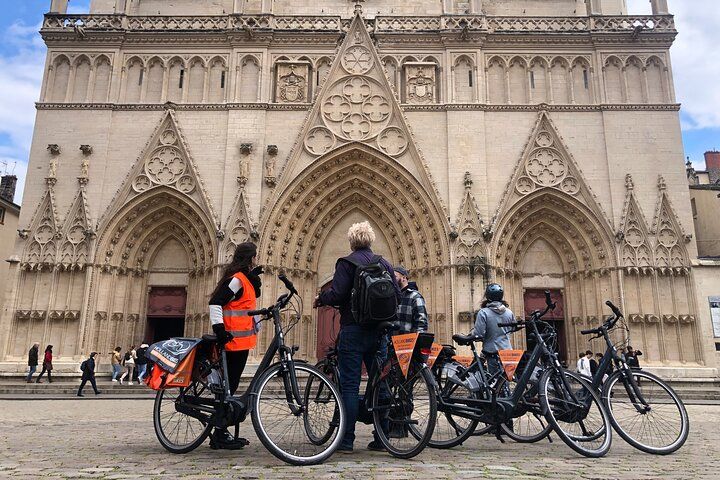
Lyon is emerging as a model for mid-sized cities investing in cycling infrastructure. The city’s Vélo’v bike-share program recently expanded its fleet with e-bikes, catering to residents navigating Lyon’s steep hills. Beyond the basics, Lyon has implemented cycling superhighways, such as the Rhône Greenway, that connect the city center to suburban areas and neighboring regions.
Lyon’s integration of cycling with public transit is notable, with bike storage facilities at tram and metro stations making commutes more efficient. Cyclist-friendly urban design is evident in areas like Confluence, where wide, car-free promenades prioritize bikers and pedestrians alike. Educational workshops and initiatives to encourage cycling among seniors and children demonstrate Lyon’s commitment to fostering a long-term biking culture.
5. Utrecht, Netherlands
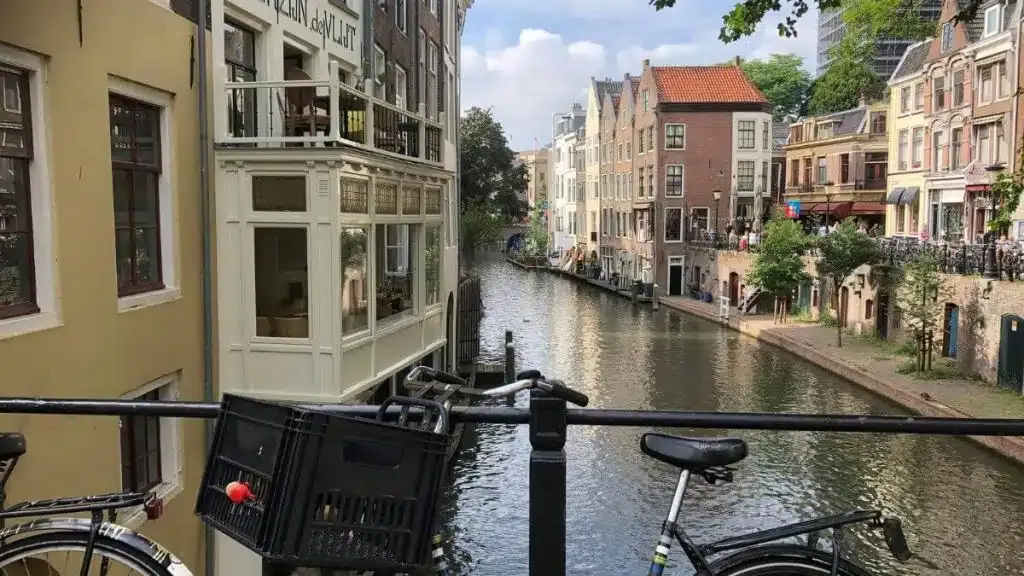
Utrecht has revolutionized bike commuting with dedicated express cycling routes, such as the Fietsenstalling, which streamlines travel between the city center and suburbs. Known for its world-class bike parking facilities, including the 12,500-space hub at Utrecht Central Station, the city makes cycling infrastructure both practical and accessible.
Utrecht also excels in community engagement, regularly hosting events like “Bike to Work Days” and offering free bike repair workshops. The city's Cycling Action Plan focuses on connecting schools, workplaces and recreational areas via safe, direct bike routes. Innovations like smart traffic signals that adapt to cyclist flows further elevate Utrecht’s reputation as a pioneer in urban cycling design.
Utrecht (Netherlands) is frequently ranked as the world's number one, most bicycle-friendly city due to its, high, cycling mode share,, extensive,, infrastructure, and, top, score, in, policy, and, support.
6. Leuven, Belgium
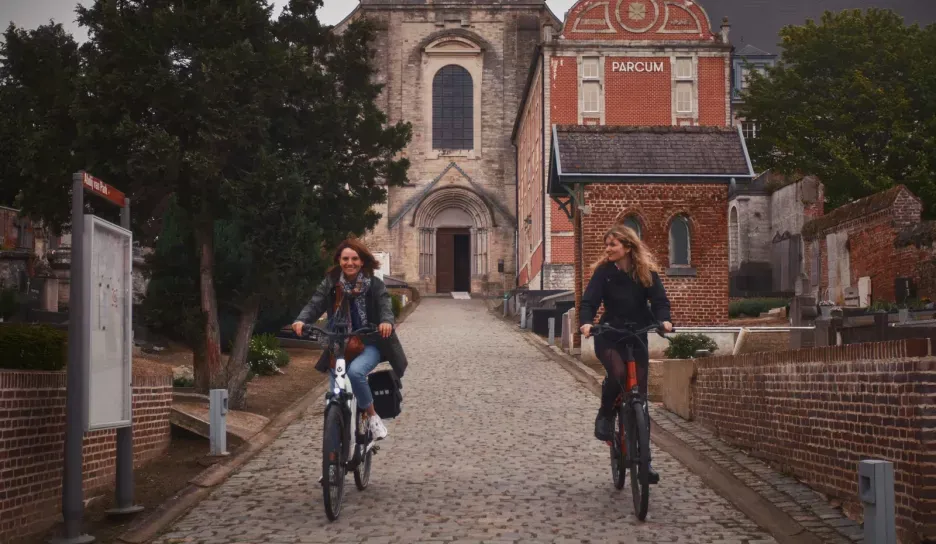
Leuven’s compact size and proactive cycling policies make it a standout in Belgium for sustainable urban mobility. The city is a leader in reallocated space, with many streets repurposed for pedestrians and cyclists rather than cars. Car-free zones, particularly in the city center, create a safe and inviting atmosphere for biking. Leuven’s bike lanes are well-protected and the city enforces low-speed zones to prioritize cyclist safety.
Leuven’s bike-sharing program, Blue-bike, enhances its cycling culture, making it easy for residents and visitors to access bicycles. The city's integration of cycling into everyday life is supported by educational campaigns that focus on promoting cycling among children and adults alike. Additionally, Leuven’s commitment to green infrastructure - with routes connecting green spaces and parks - makes cycling not only convenient but also enjoyable for recreational riders. Leuven’s forward-thinking approach continues to push for improved bike accessibility through ongoing infrastructure developments, aiming to connect the city with surrounding towns and regions, strengthening its network connections.
7. Munich, Germany
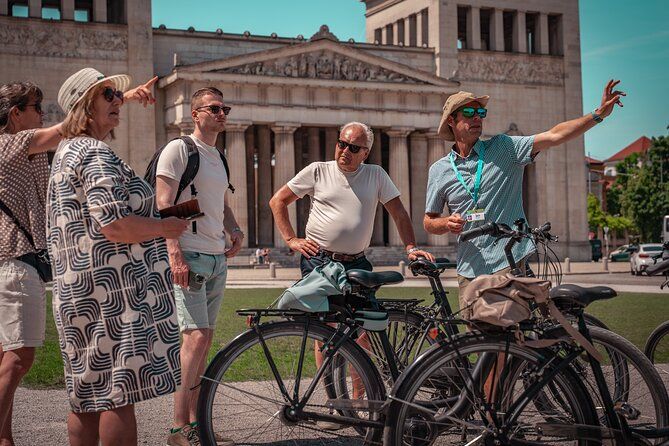
Munich, known for its traditional charm, has made significant strides in integrating modern cycling infrastructure into its urban landscape. The city has implemented an extensive network of protected bike lanes, particularly around major transport hubs and shopping districts. Munich’s traffic calming measures, such as low-speed zones in residential areas, help create a safer environment for cyclists making it suitable for all types of riders.
The city is also heavily focused on network connections, with dedicated cycling routes linking neighborhoods to parks, businesses and cultural attractions. Munich’s green bike lanes make it easier to get around the city, offering safe routes through its historic sites. On top of that, intersection treatments have been optimized with bike-first traffic signals and bike boxes, allowing cyclists to safely find your way around busy intersections.
Munich’s bicycle-friendly initiatives are complemented by its focus on sustainability, as real-time cycling data is integrated into the city’s planning process. This data-driven approach ensures that cycling infrastructure is constantly updated to meet the evolving needs of the biking community.
8. Amsterdam, Netherlands
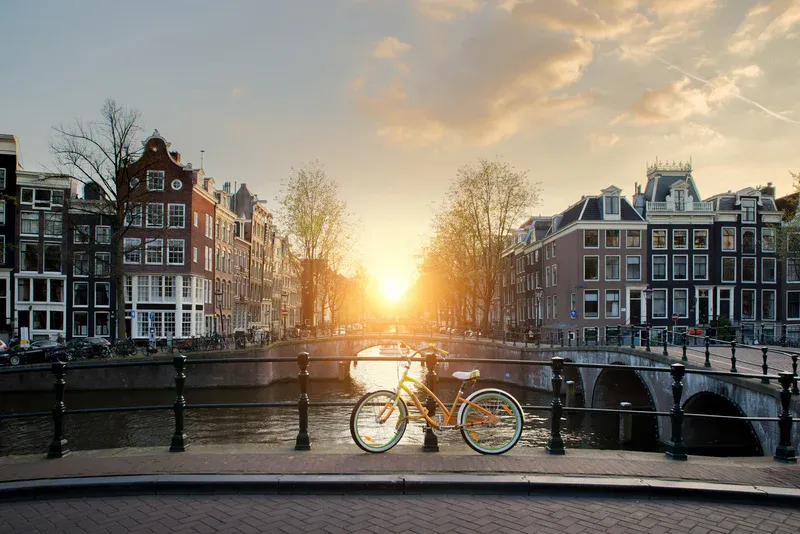
Amsterdam is the global archetype of a cycling city, with its protected bike lanes forming the backbone of a highly efficient and sustainable transport network. The city’s bike lanes are designed to keep cyclists separated from both car and pedestrian traffic, reducing the risk of accidents and encouraging more people to take up cycling. With bike lanes connecting residential neighborhoods to workspaces and public transport hubs, Amsterdam’s network connections are extensive and smooth.
What truly sets Amsterdam apart is its solid data-driven approach to urban cycling. The city collects real-time data on traffic flow and cycling usage, allowing for dynamic changes and the optimization of bike infrastructure. This ensures that Amsterdam remains a model of efficient, adaptable cycling infrastructure.
The city’s bike culture is deeply ingrained, with many locals cycling as their primary mode of transport. Amsterdam also offers a variety of bike-sharing programs to support those who do not own a bike, including a growing fleet of electric bikes to accommodate commuters traveling longer distances or through hilly areas. Also, Amsterdam’s commitment to cycling accessibility for people of all ages and abilities is evident through its inclusive bike services and education programs for both children and adults.
9. Almere, Netherlands
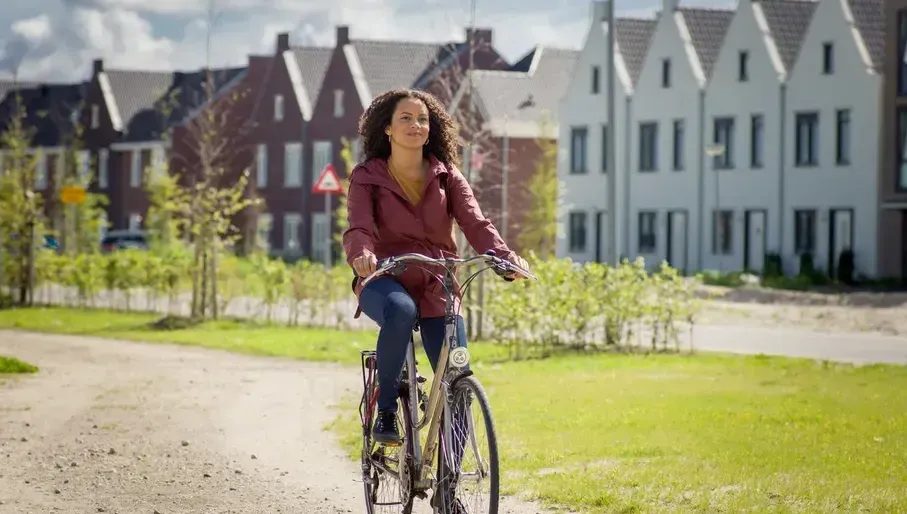
Almere, a newly developed city designed with sustainability in mind, has embraced cycling as a core element of its urban planning. The city’s integrated cycling network connects residential areas with workplaces, schools, and transit hubs, making it easy and convenient to cycle across town. The network is designed for safety, with protected bike lanes and clear, well-marked routes.
Almere places a strong emphasis on safe speeds, with speed limits set low throughout the city and traffic calming measures that prioritize the flow of cyclists over cars. Almere’s efforts to build a sustainable urban environment are complemented by bike-sharing programs that allow residents to access bicycles at affordable rates.
The city is also forward-thinking in its approach to network connections, offering routes that extend beyond Almere to nearby towns. By connecting its infrastructure with surrounding areas, Almere is positioning itself as a cycling-friendly hub in the Netherlands. Additionally, the city’s integration of green spaces into bike routes encourages recreational cycling, making it an attractive destination for leisure cyclists.
10. Eindhoven, Netherlands
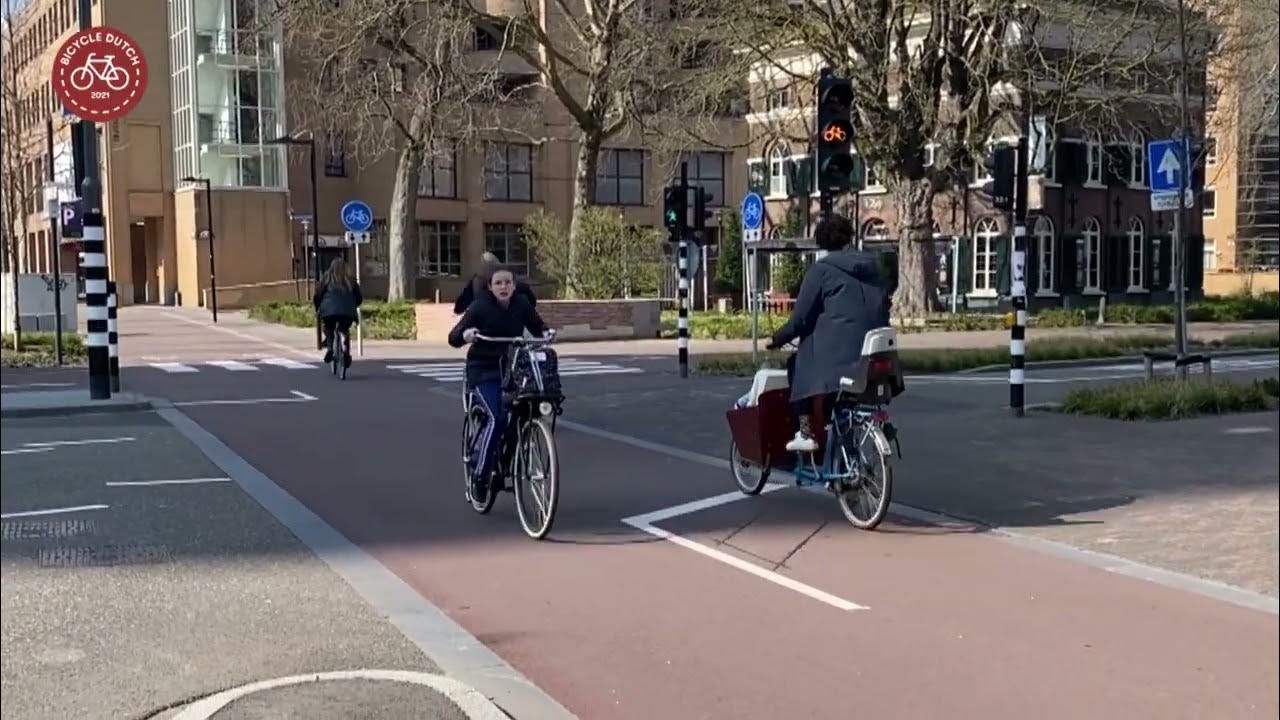
Eindhoven stands out as a city where innovation and practicality blend smoothly. Known for its Hovenring, a unique suspended bike roundabout, the city has introduced modern intersection treatments that prioritize cyclists and reduce the risk of accidents. Eindhoven has implemented protected bike lanes across the city, connecting residential areas with commercial centers and public transport hubs. These protected lanes ensure that cyclists can travel safely and efficiently throughout the city.
Eindhoven is also dedicated to reallocated spaces, with many streets redesigned to accommodate cyclists and pedestrians, particularly in high-traffic areas. The city’s commitment to cycling accessibility is also reflected in its efforts to provide affordable bike-sharing programs, including options for e-bikes to cater to a broader range of riders.
Beyond its infrastructure, Eindhoven’s commitment to network connections extends to its collaborations with neighboring cities. Well-connected bike routes link Eindhoven to surrounding towns, promoting cycling as a feasible mode of transport even for longer distances. Eindhoven also integrates real-time data into its planning, using cyclist feedback and traffic information to continuously optimize the biking experience.
Final Thoughts
These cities exemplify how cycling-friendly infrastructure can be integrated into urban planning, improving not only the sustainability and safety of the transport system but also enhancing the overall quality of life for residents. By focusing on elements such as safe speeds, protected lanes, and reallocated space, these cities have built models that other urban centers around the world can look to as they work to prioritize cycling as a key component of urban mobility.
Cycling a city with luggage strapped to your back? Not ideal. BagsAway has storage spots in Amsterdam, London, NYC and more — lock up your bags, then grab a bike.
BagsAway Team
Travel experts helping you explore the world bag-free.