

12 Fun Facts About Thanksgiving That Will Surprise You
 BagsAway Team
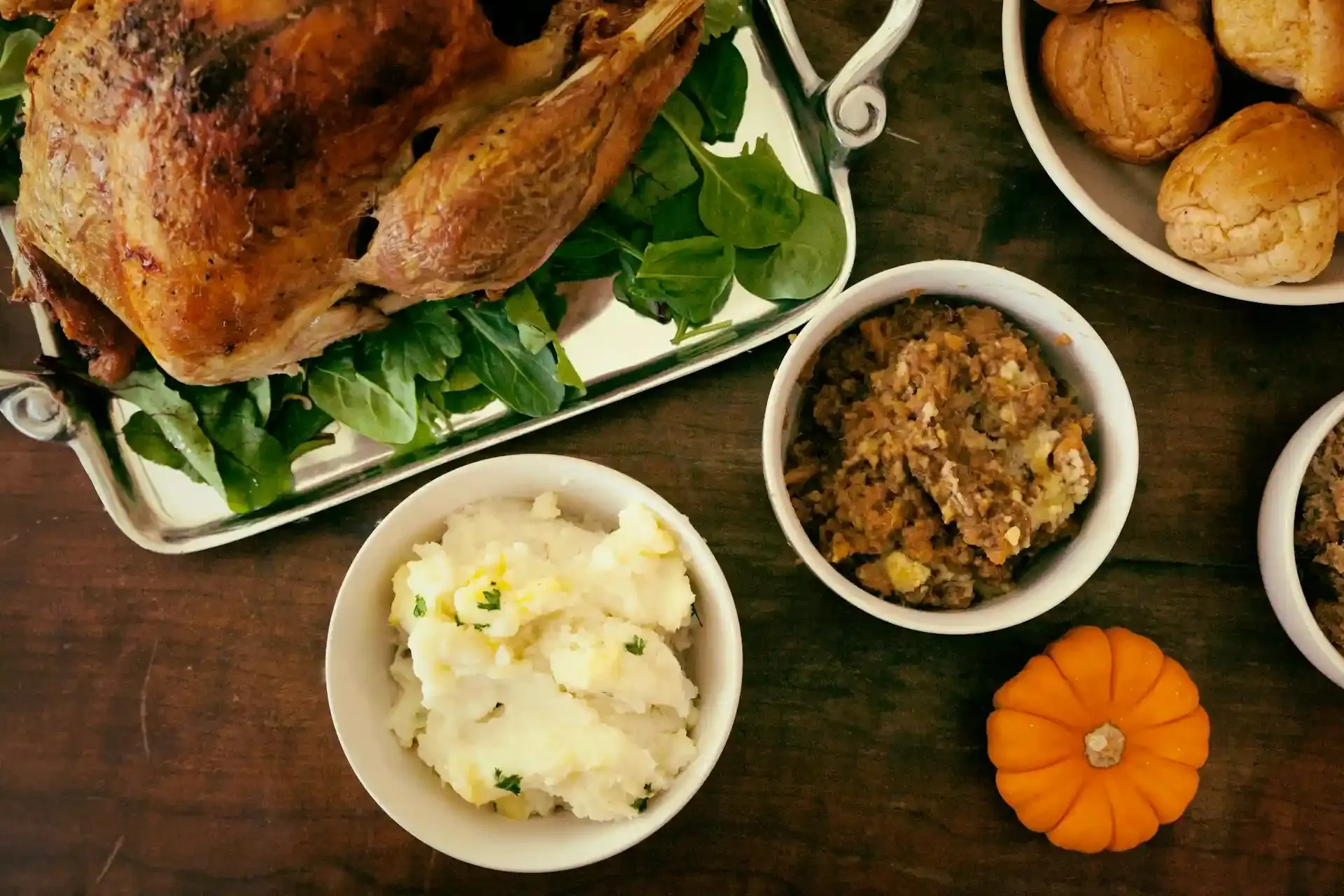
Thanksgiving is one of the most anticipated holidays in the United States, the UK, Canada, and many regions around the world. It marks a time for families and friends to come together, enjoy traditional food, thank the people who matter most in their lives, and express gratitude.
But beyond the familiar turkey dinner, pumpkin pie, football games, and family gatherings, there is a fascinating history behind this holiday. Some of the customs people enjoy today have surprising beginnings, and there are many fun facts about Thanksgiving and its traditions that are not quite what most people imagine.
From the first Thanksgiving celebration and the story behind pumpkin pie to presidential turkey pardons and the Macy's Thanksgiving Day Parade, there are plenty of interesting facts about the holiday to discover. Some of these Thanksgiving facts reveal the very interesting stories behind familiar holiday traditions, while others offer a closer look at how the way people celebrate the holiday has evolved over time.
Whether you're looking for fun Thanksgiving facts to share at dinner, curious about Thanksgiving history, or simply want to learn something new before the holiday, these 15 facts will give you plenty of talking points and blow some minds around the dinner table.
1. Thanksgiving Was Originally a Day of Fasting, Not Feasting
While today's Thanksgiving is about sharing a moment around the dinner table and enjoying family gatherings, Thanksgiving began as a religious observance by the Pilgrims. For them, days of thanksgiving were reserved for fasting and prayer, not feasting. These Thanksgiving days were spontaneous religious observances held after special events, such as successful harvests or the end of droughts.
The 1621 gathering at Plymouth was a harvest celebration, but it was not a formal annual holiday. The story of the Pilgrim and Native American feast later became an important part of the holiday's history, while Thanksgiving itself continued to evolve over time. This is one of the little-known facts about Thanksgiving that shows how different its early observances were from the celebrations we know today. In 1863, during the Civil War, Abraham Lincoln proclaimed a national Thanksgiving Day.
2. The First Thanksgiving Lasted Three Days
The 1621 harvest celebration at Plymouth was more than just a single meal. Historical accounts describe a gathering that lasted three days, bringing together English colonists and members of the Wampanoag community. It took place after the colonists' first successful harvest, during a period when they were still adjusting to life in their new settlement.
There were around 50 colonists and at least 90 Native Americans at the gathering, including 24 male colonists, five married women, and 24 children, according to accounts cited in the references. This means there were probably more Native Americans than colonists at the first Thanksgiving. These facts about the first Thanksgiving offer a fuller picture of the gathering, which is often simplified in familiar holiday stories. Its wider historical context is complex and deserves recognition.
3. Florida May Have Hosted an Earlier Thanksgiving Celebration
Most people learn that the first Thanksgiving took place in Plymouth, Massachusetts, in 1621. However, some historical accounts point to an earlier Thanksgiving celebration in what is now St. Augustine, Florida. In 1565, Spanish settlers arrived in the area and reportedly shared a meal with Indigenous people. This gathering is sometimes described as an earlier Thanksgiving celebration.
The 1565 meal was not the same as the traditional Plymouth harvest gathering. The two events had different historical backgrounds and purposes, but the Florida account is an interesting part of the wider story. It is one of the more surprising Thanksgiving facts because it challenges the familiar idea that the holiday's history began in Massachusetts. It also reminds us that traditions of gratitude and shared meals existed before.
4. Turkey Was Probably Not Served at the First Thanksgiving
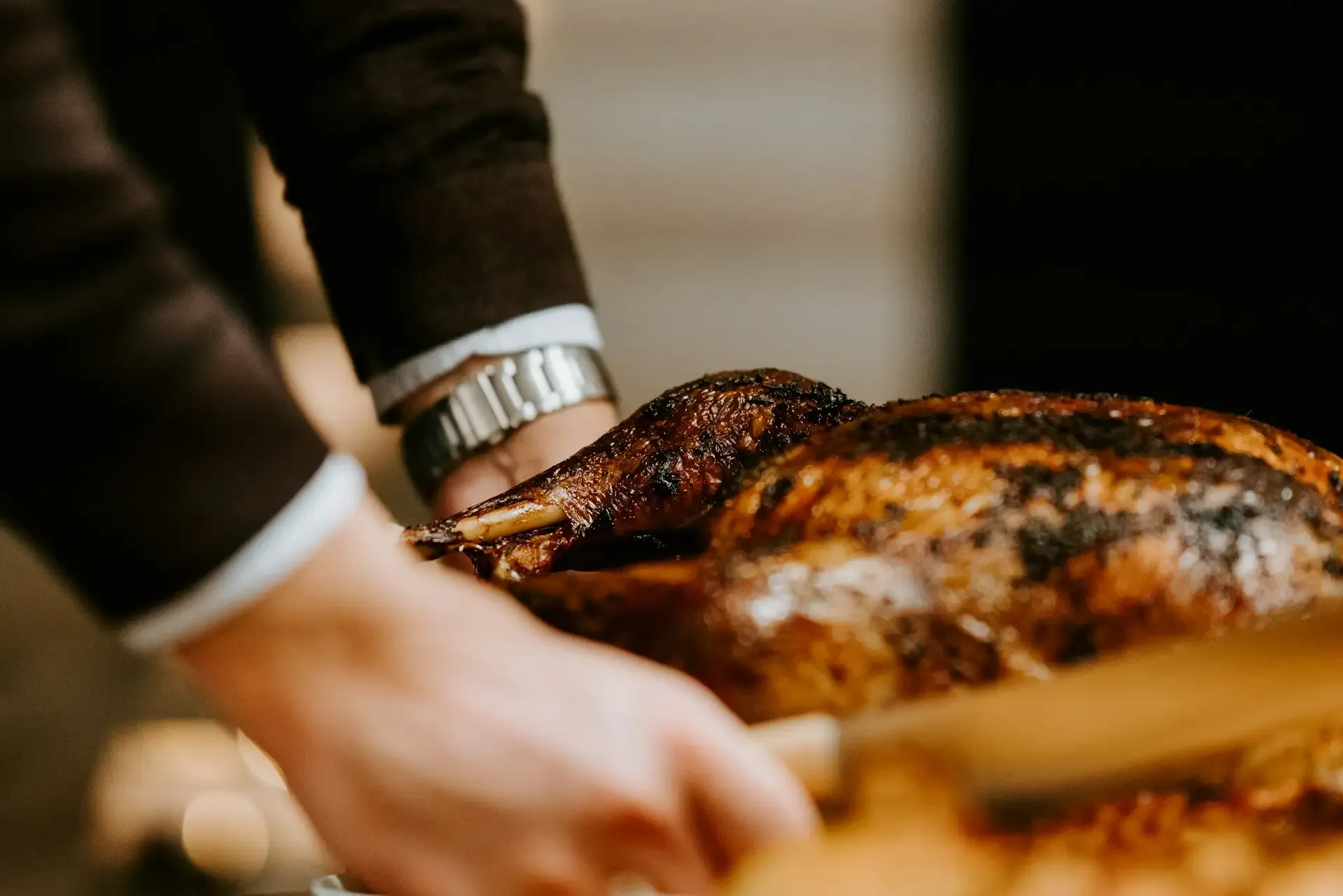
Turkey is now the representative dish of Thanksgiving and has probably become a signature of this holiday, but historians believe it probably wasn't on the dinner table at the first Thanksgiving. The 1621 celebration likely featured venison, seafood, and wildfowl such as ducks or geese. Indigenous foods like lobster, clams, mussels, and corn were also likely part of the meal.
Cranberries and pumpkins were present, too, but not in the form of sauce or pie. Potatoes and cranberry sauce, familiar side dishes today, were not part of that original meal either. Turkey eventually became the centerpiece of American Thanksgiving traditions. These Thanksgiving food facts are a reminder that familiar holiday dishes do not always have ancient origins.
5. Pumpkin Pie Was Not Part of the First Thanksgiving
It is hard to imagine Thanksgiving without pie, yet pumpkin pie was not part of the first harvest celebration in 1621. Although pumpkins were a crop for Native Americans and early settlers, colonists had limited access to sugar and the baking equipment needed to prepare pumpkin pie. There may have been some sort of dish, but pumpkin pie was definitely not the pumpkin pie served at Thanksgiving dinners today.
Pumpkin pie did not become a staple of Thanksgiving meals until the 19th century. Pies' place in American tradition grew during the late 1800s, when Sarah Josepha Hale promoted pumpkin pie's nostalgic value as part of her campaign to establish Thanksgiving as a national holiday. One of the funny Thanksgiving facts about pumpkin pie comes from Colchester, Connecticut. In 1705, the town reportedly postponed Thanksgiving because bad weather delayed a molasses shipment needed to make pie. Without molasses, the town could not make pie!
6. Thanksgiving Was Once Moved to Extend the Holiday Shopping Season
Thanksgiving was once moved to extend the holiday shopping season. In 1939, President Franklin D. Roosevelt shifted Thanksgiving one week earlier to extend the holiday shopping season and stimulate the economy. Retailers were concerned that the critical shopping period between Thanksgiving and Christmas would be too short because the last Thursday of November fell on November 30.
Not everyone was willing to follow the date, and the decision became a nationwide controversy. Twenty-two states celebrated Thanksgiving, 23 continued with the old date, and three states celebrated both. The disagreement led to the term "Franksgiving." After debate, Congress passed a resolution in 1941 that set Thanksgiving on the fourth Thursday of November. So, if you have ever wondered, "Why is Thanksgiving celebrated on the fourth Thursday of November?" this is how the date became fixed.
7. The First Thanksgiving Parade Was Held in Philadelphia
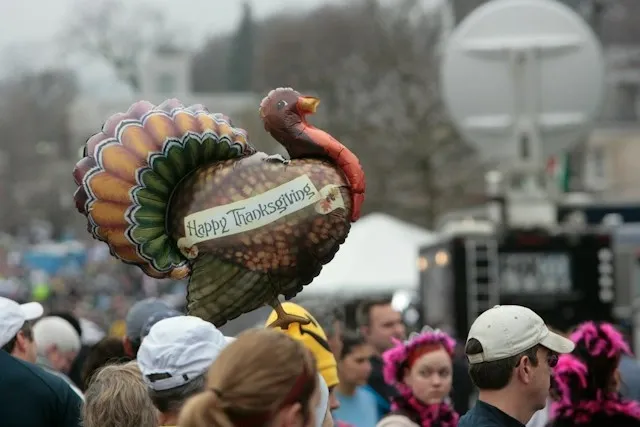
The first Thanksgiving parade was held in Philadelphia. When people think about Thanksgiving parades, the Macy's Thanksgiving Day Parade in New York City usually comes to mind. However, Philadelphia hosted a Thanksgiving parade in 1920, organized by the Gimbel Brothers department store. Macy's followed suit in 1924 with its parade, which eventually became one of America's best-known holiday traditions.
The Macy's parade looked very different from the colourful spectacle viewers see today. Instead of giant character balloons, the inaugural parade included live animals from the Central Park Zoo, such as bears, monkeys, and elephants. The first balloons, including Felix the Cat, didn't appear until 1927. These interesting facts about the Macy's Thanksgiving Day Parade show how a holiday procession featuring zoo animals developed into an annual celebration.
8. John F. Kennedy Was the First President to Send a Thanksgiving Turkey Back
John F. Kennedy was the first president to send a Thanksgiving turkey back. The presidential turkey pardon is one of the most recognizable American Thanksgiving traditions, but its history is a little more complicated than many people realize. In 1963, President John F. Kennedy received a turkey from the National Turkey Federation.
Instead of sending the bird to the dinner table, President John F. Kennedy said, "Let's keep him going," and sent the turkey back to the farm. However, it was not a pardon at the time. The first official turkey pardon was given by President George H. W. Bush in 1989.
During a ceremony with a turkey from the National Turkey Federation, President George H. W. Bush said the turkey was granted a "pardon," marking the start of the annual White House tradition in which a turkey is spared. Since then, the ceremony has become a part of the holiday season and one of the more unusual Thanksgiving Day facts.
9. Americans Cook More Than 46 Million Turkeys for Thanksgiving
We do not call it "Turkey Day" for nothing! According to figures cited by the National Turkey Federation and the U.S. Department of Agriculture, more than 46 million turkeys are prepared or consumed around Thanksgiving each year. Around 87 percent of Americans enjoy turkey as part of their holiday feast, making turkey one of the most recognizable foods associated with the celebration.
Even though fresh turkey is popular, the majority of turkeys sold for Thanksgiving in the United States are frozen. These birds are flash-frozen to keep them fresh and to make them convenient for families. Turkey has become a centerpiece at holiday gatherings, whether it is roasted, smoked, deep-fried, or stuffed. If you have ever wondered how many turkeys are eaten on Thanksgiving, the figure shows how important turkey has become to American Thanksgiving traditions.
10. The Heaviest Turkey Ever Recorded Weighed 86 Pounds
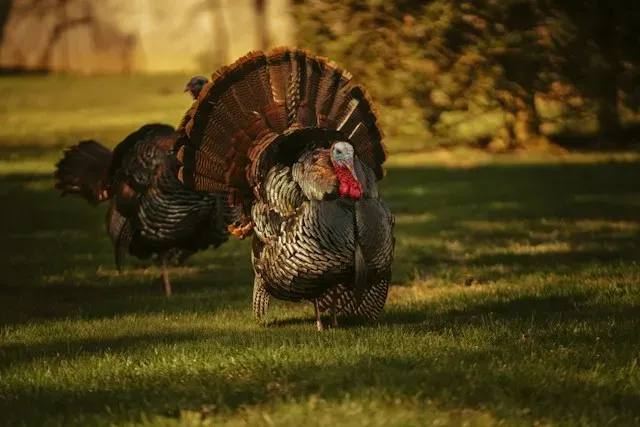
Most Thanksgiving turkeys weigh between 12 and 20 pounds, depending on the size of the gathering. Imagine preparing a bird that weighs more than 80 pounds! According to Guinness World Records, the heaviest turkey on record weighed 86 pounds. The bird, named Tyson, was raised in the United Kingdom and sold at auction in 1989 for $6,692.
To put that into perspective, an 86-pound turkey is about the size of a dog and is roughly six times heavier than an average 14-pound Thanksgiving turkey. Such a bird would need a large oven and a much bigger dinner table. This is one of those amusing Thanksgiving facts that can surprise guests. While most families are busy deciding how much turkey to buy, this record-breaking bird makes an ordinary holiday roast seem quite small.
12. Thanksgiving Dinner Can Contain Thousands of Calories
A typical Thanksgiving dinner with all the trimmings can contain about 3,480 calories, although the total varies depending on serving sizes, recipes, and how much food someone enjoys. A meal with turkey, stuffing, mashed potatoes, gravy, sweet potato casserole, green bean casserole, dinner rolls, and dessert can quickly add up. Pecan pie and other rich desserts can make the meal more substantial.
Some estimates place the calories consumed during a Thanksgiving celebration between 2,100 and 4,500. Of course, Thanksgiving is not about watching our waistlines. It is a time to enjoy food, family, and the traditions that bring people together. Still, these Thanksgiving food facts might make you think before going back for another helping. And let us be honest, one plate is never enough for everyone!
12. Football Has Been a Thanksgiving Tradition for More Than a Century
Watching football has become a holiday tradition for American families. I love watching football on Thanksgiving. The link between Thanksgiving and football began back in 1876, when Yale and Princeton played a college football game on Thanksgiving Day. Over the years, the holiday grew into a day for college and high school football rivalries, putting sports into the larger celebration.
Professional football joined the tradition in 1934. I remember the time I saw a Detroit Lions game on TV. The Detroit Lions have been playing Thanksgiving games since 1934, except for a pause during World War II. The custom has gone on for generations, making football a normal part of the holiday for many viewers. Whether you watch the game closely or just enjoy it in the background while everyone gathers around the table, football stays one of the familiar American Thanksgiving traditions.
Final Thoughts: Thanksgiving Is Full of Surprising Stories
Thanksgiving is much more than a holiday of turkey, pumpkin pie, and family gatherings. Behind the celebrations lie stories about American history, shifting traditions, unusual presidential decisions, and the foods that have become part of the holiday. From the three-day harvest gathering in 1621 to the invention of TV dinners, these fun facts and statistics about Thanksgiving show how much the holiday has changed over the years.
The next time you sit down for Thanksgiving dinner, share a few of these interesting facts with your family and friends to surprise the people around you at the dinner table. You might surprise someone with the story of the turkey pardon, the first Thanksgiving menu, or the origins of the Macy's Thanksgiving Day Parade. Above all, learning about the holiday and its origins makes it even more special in itself. Keep these Thanksgiving facts handy, enjoy the food, appreciate the people around you, and have a happy Thanksgiving!
Traveling for the holiday? Our Thanksgiving statistics show when and where Americans travel, and you can store your bags with BagsAway between check-out and the trip home. You can also read more about the 70+ Best Thanksgiving Quotes to Inspire Gratitude collected by us.
Happy Thanksgiving!
BagsAway Team
Travel experts helping you explore the world bag-free.